Opens in a new tab
The Hidden Layer of the Internet
Why AI’s unseen choices about what to search and retrieve demand greater transparency as platforms become gateways to the internet.
 v2.0.2
I write about how AI is changing the products we use, the choices we make and the businesses we build, connecting developments in technology with their consequences for people, brands and organisations.
The Blueprint is my newsletter exploring AI, technology and what comes next. Expect analysis, experiments and personal perspectives on what new capabilities make possible and the assumptions we should question along the way.
Read The Blueprint (opens in a new tab)
Why AI’s unseen choices about what to search and retrieve demand greater transparency as platforms become gateways to the internet.
How paying to place information in the sources AI consults could create a new advertising category, and why disclosure must survive the journey into an AI answer.
Why I think OpenAI’s push into enterprise and knowledge work risks weakening its consumer experience and opening the door to Google.
My guest article on why GEO requires brands to be understood and recommended by AI, with practical steps across content, authority and commerce.
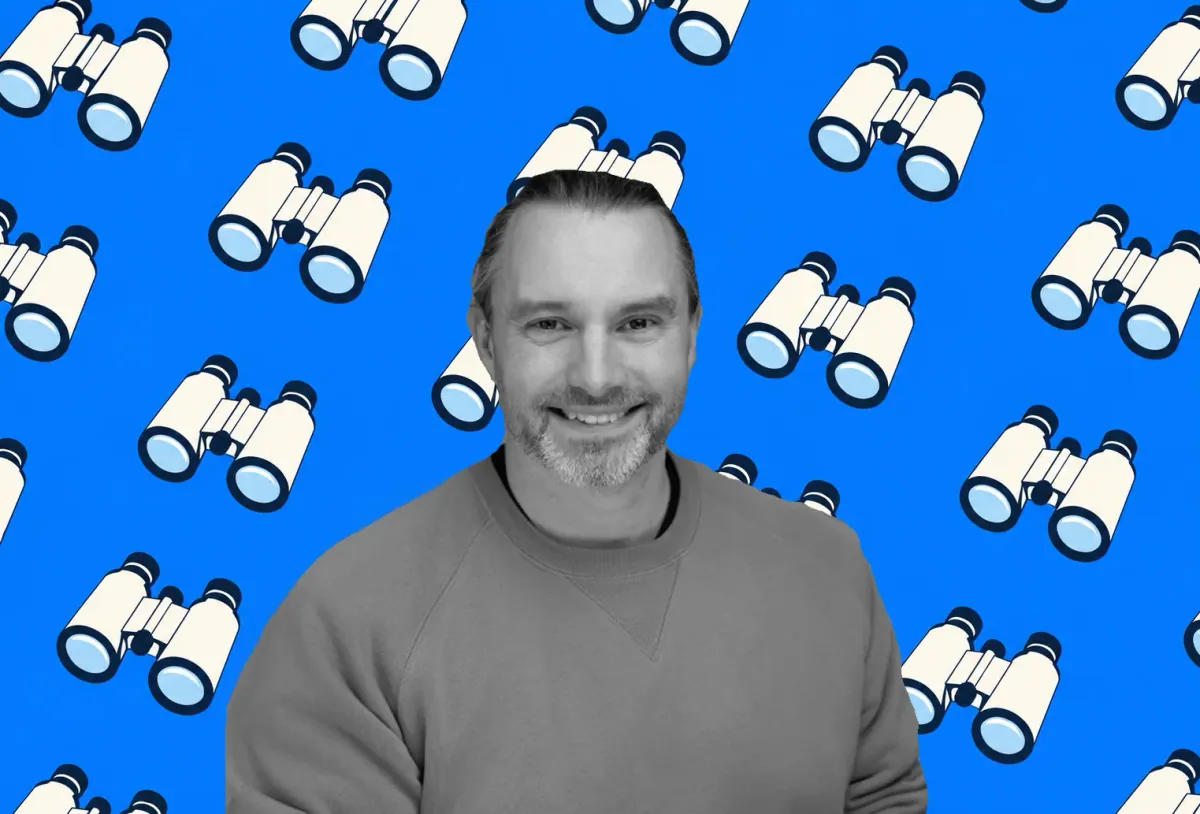
A fresh look at Apple Intelligence and Siri, and the promise of personal AI built into the devices and apps people already use.
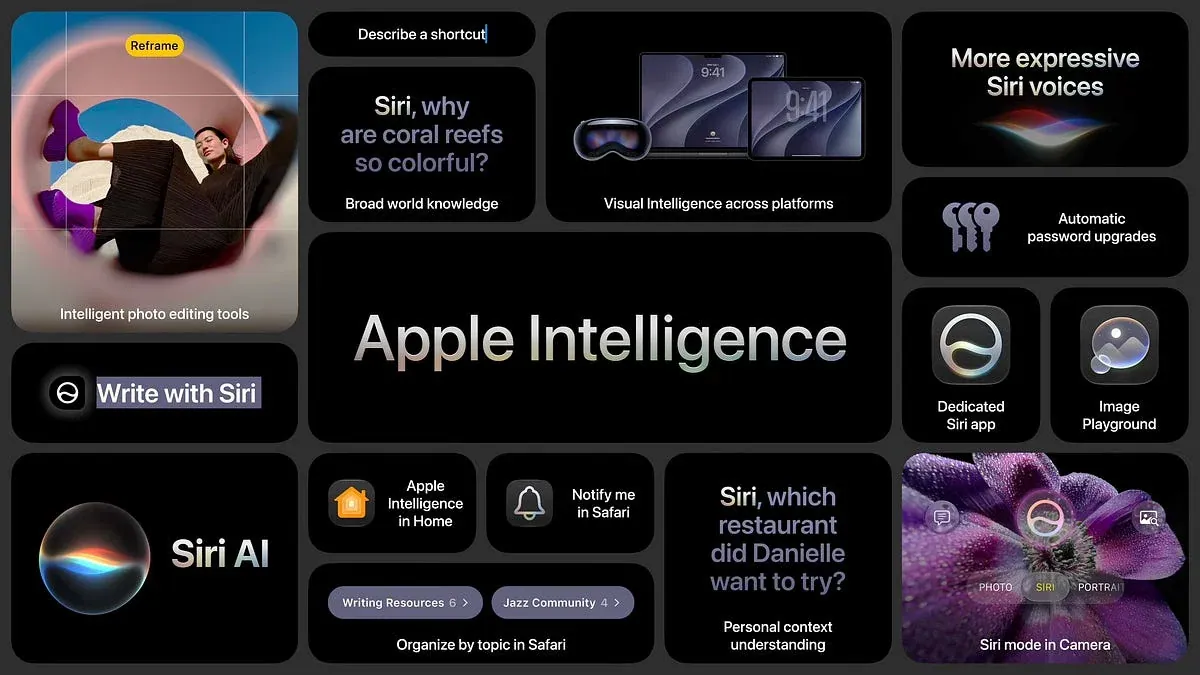
In this IPA interview, I discuss why agencies need clearer workflows and practical experimentation, and how AI could make advertising more relevant to people’s intent.

Why AI visibility needs continuous testing, with practical steps for making brand content readable, building authority and keeping product information useful to AI platforms.

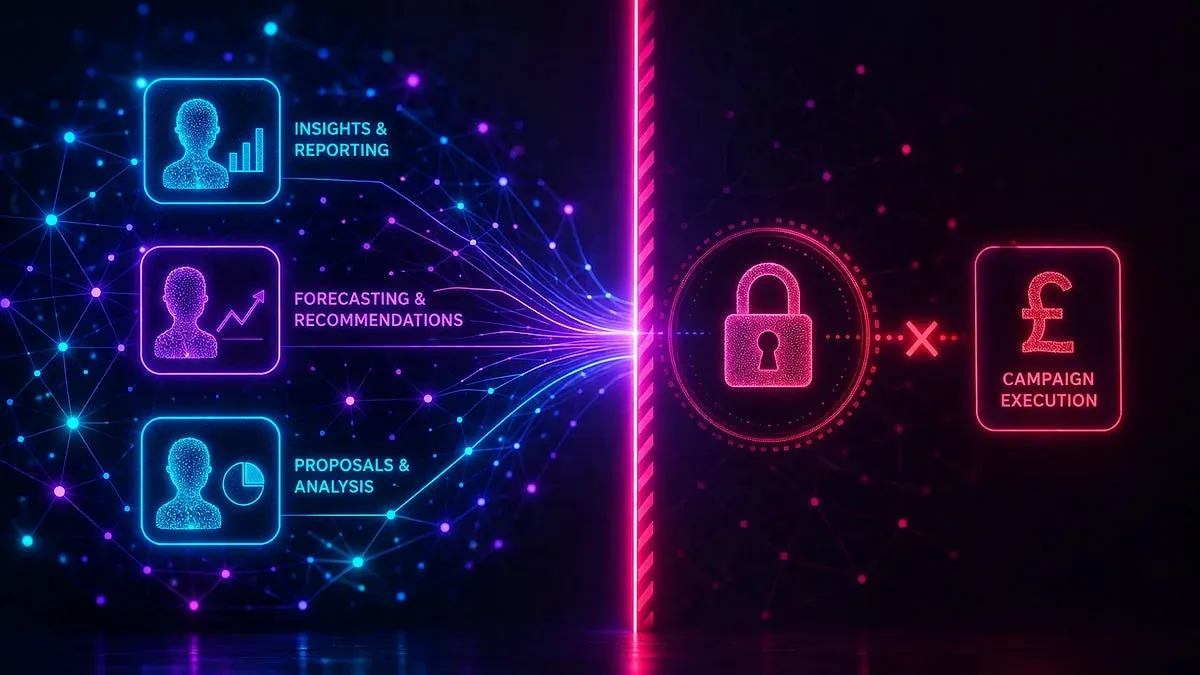
Why sell-side AI agents should support insights and planning while control of live campaign execution stays with the buy side.
A proposal for AI models to evaluate paid content against a user’s intent, surfacing only relevant options with clear disclosure of commercial influence.
My contribution to FutureWeek’s industry predictions: brands will compete to be recommended by AI, making capability, relevance and accountability increasingly important.
Why earning AI recommendations requires coordinated work across engineering, content, PR and product data, while continuing to serve the people using the web.
The Drum profiles my perspective as a Digital Experience awards judge, discussing how creativity, trust and distinctiveness influence brand discovery through AI.

How brands can test their visibility across AI platforms, improve the information those platforms rely on and measure how accurately they are represented.

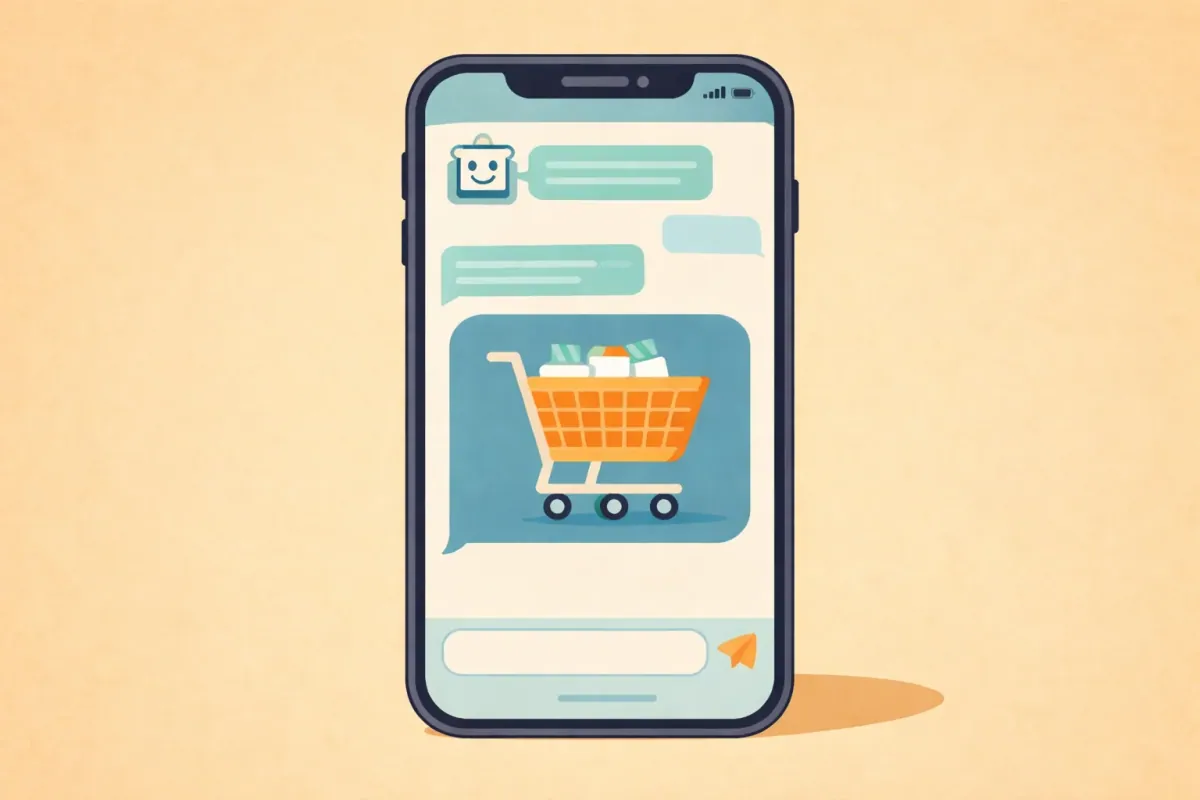
How zero-click search, browsing and purchasing challenge digital marketing’s measurement model, and what marketers can do to prepare while maintaining their existing channels.

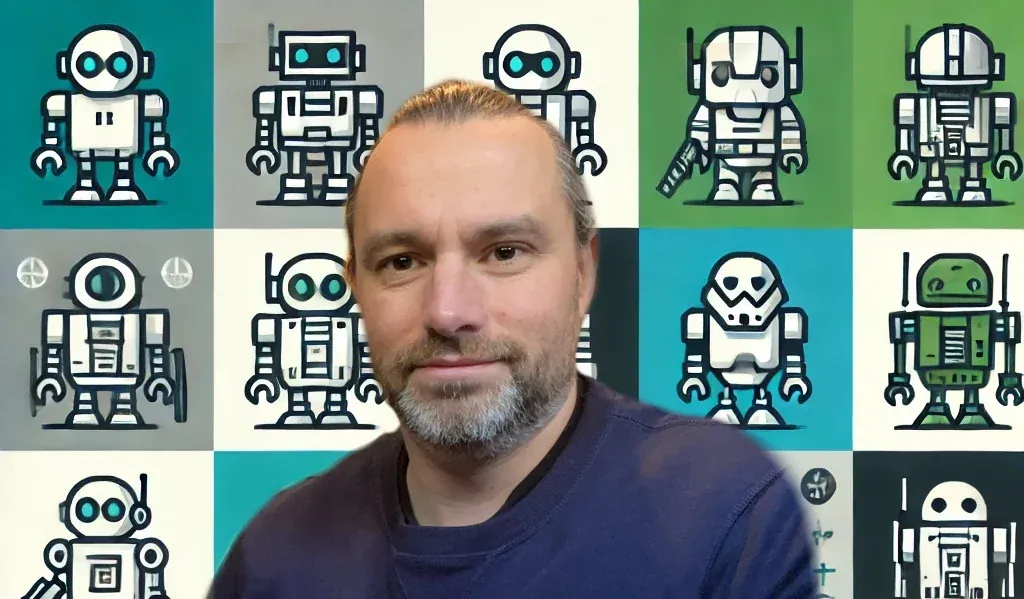
My guest article using Star Wars’ droids to explore why marketers must take responsibility for AI’s data, decisions and creative outputs.
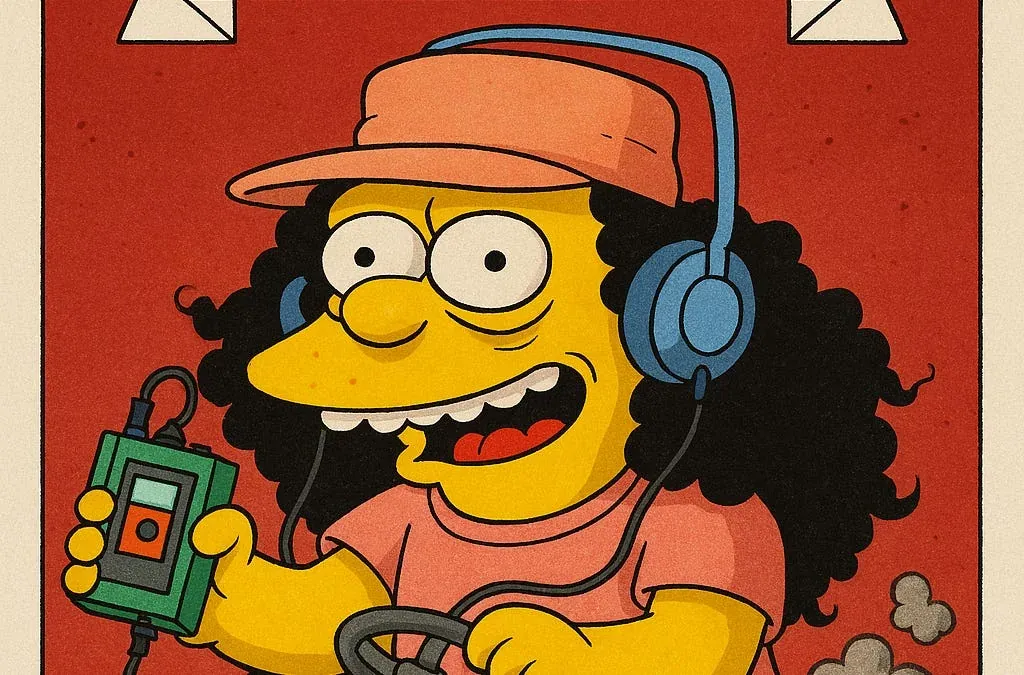
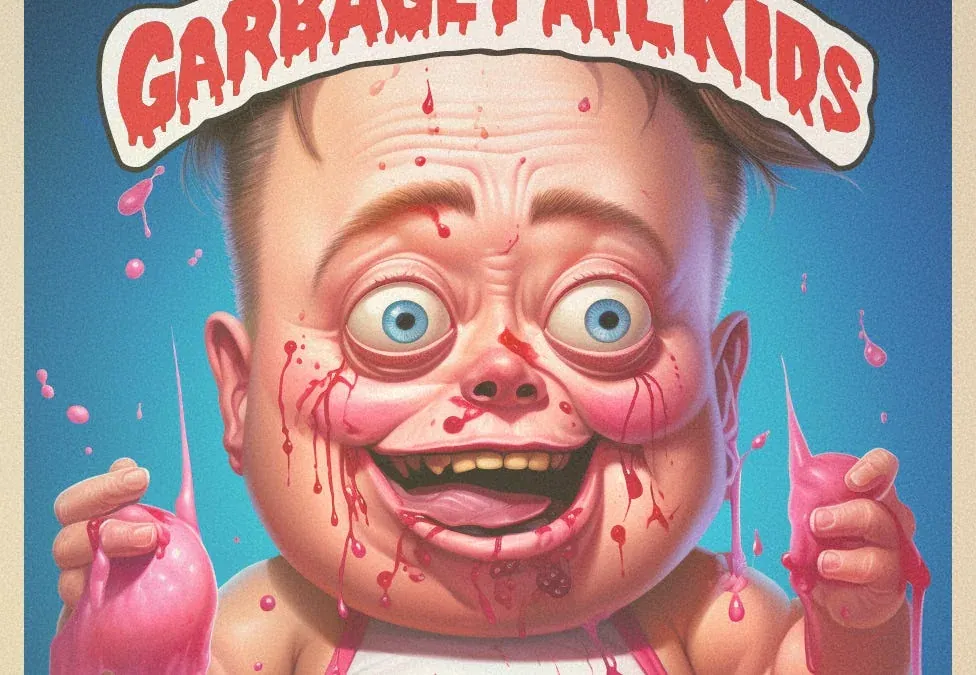
An experiment remixing The Simpsons as Garbage Pail Kids reveals how quickly image generation can drift into harmful outputs, and why human judgement still matters.
Co-written with Rob Beevers: why algorithmic availability belongs alongside physical and mental availability, and five disciplines for helping AI systems recognise and recommend brands.
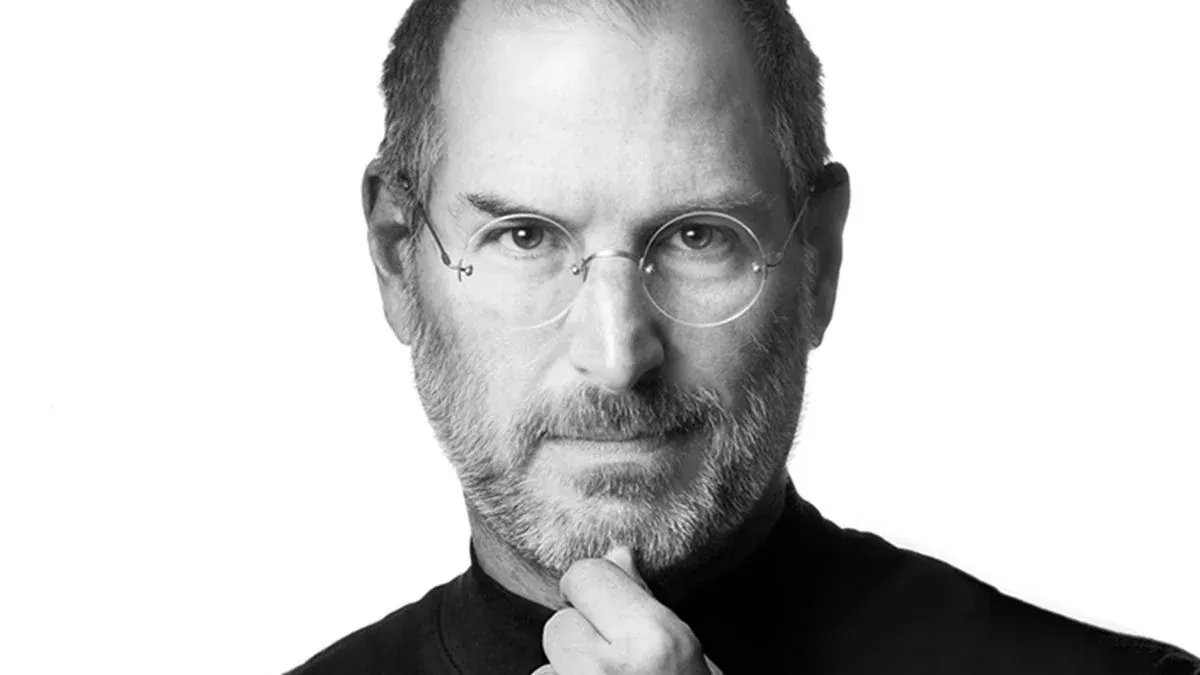
A personal reflection on Steve Jobs’ influence on me, and why AI products need more human experience, delight and ambition in their design.
My framework for understanding the progression towards autonomous AI agents, and why systems that decide and act for consumers will require marketers to rethink their strategies.

Early testing of OpenAI’s o1 explores how more deliberate problem-solving changes the user experience, with new demands on trust, verification and how we work with AI.

A product vision for digital companions that know us and work alongside us, connecting memory, integrations and proactive support with trust and human autonomy.
My response to WWDC 2024: why personal context, privacy and the ability to take actions matter more for Apple Intelligence than familiar generative features.
Why GPT-4o’s real-time voice, expressive interaction and desktop presence suggested a route towards personal AI assistants beyond improvements in model performance.
Why expecting perfect AI misses a harder question: how much oversight and control are we willing to relinquish as systems become more capable?
Drawing on Ray Kurzweil’s influence on my thinking, I explore how AI could bring marketing disciplines together and reshape consumer experiences, measurement and responsibility.
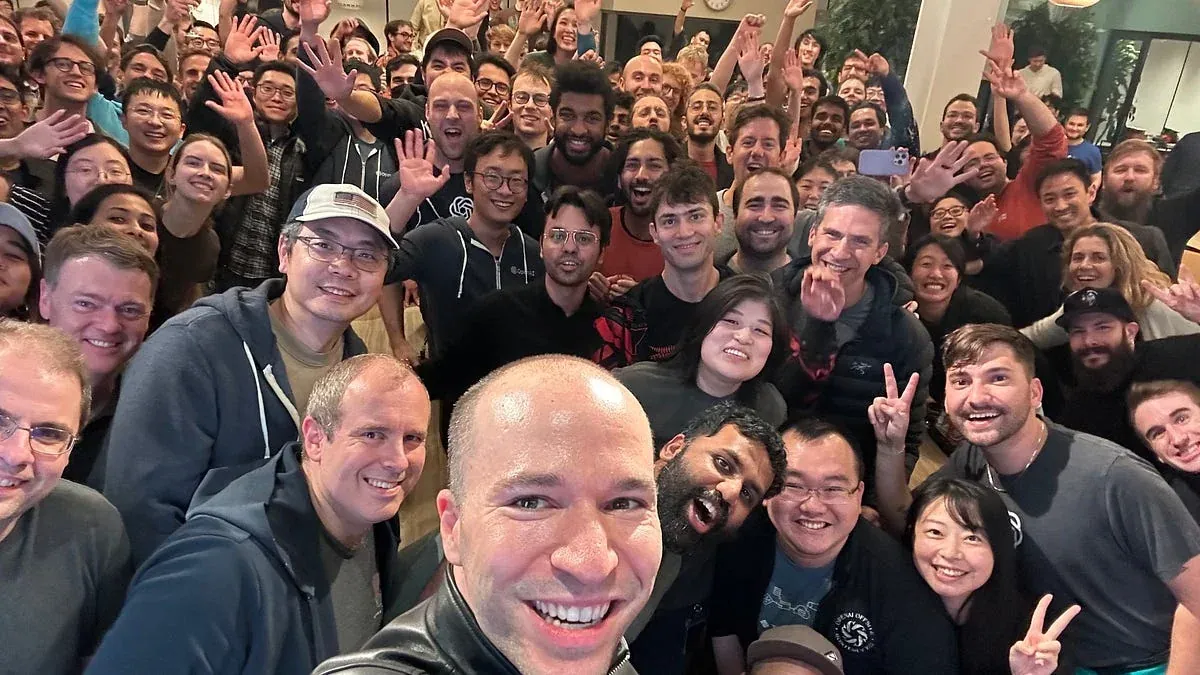
Reflections on OpenAI’s November 2023 leadership crisis, examining how a shared mission, employee loyalty and strong partnerships help organisations navigate upheaval.
How I used Midjourney and Pixelmator to turn technology leaders into retro trading cards, then examined the questions of likeness, ownership and responsibility the experiment raised.
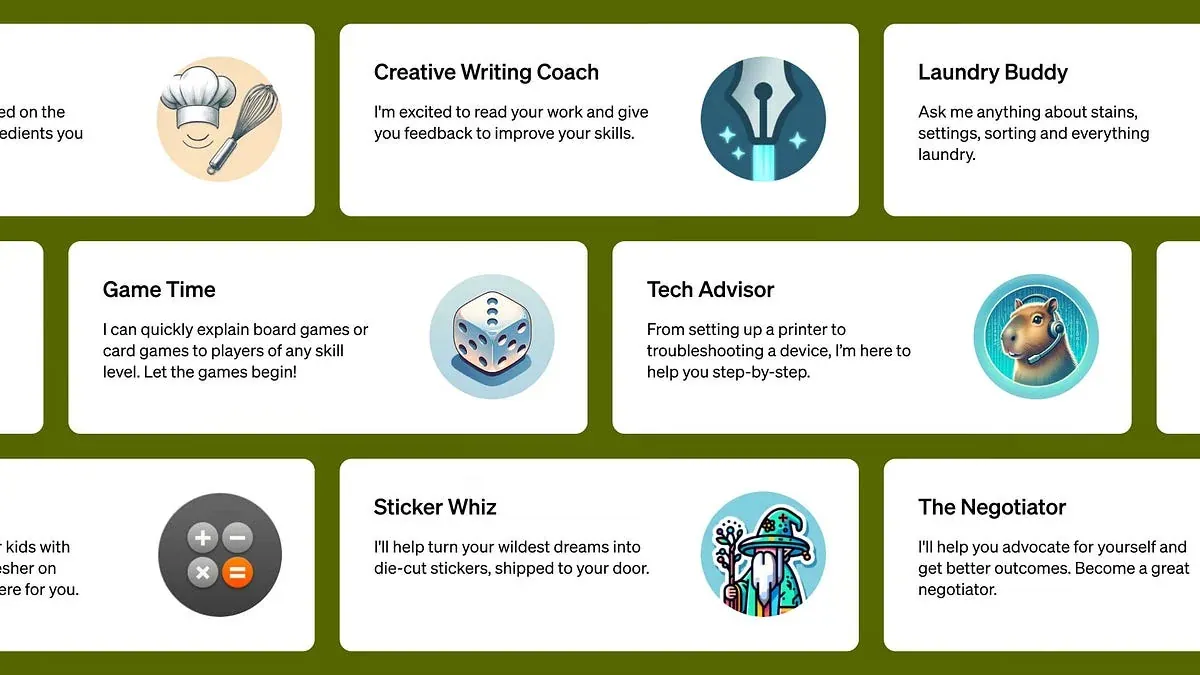
Why custom GPTs put powerful capabilities within more people’s reach, and how organisational approaches to control, cost and IT could limit their adoption.
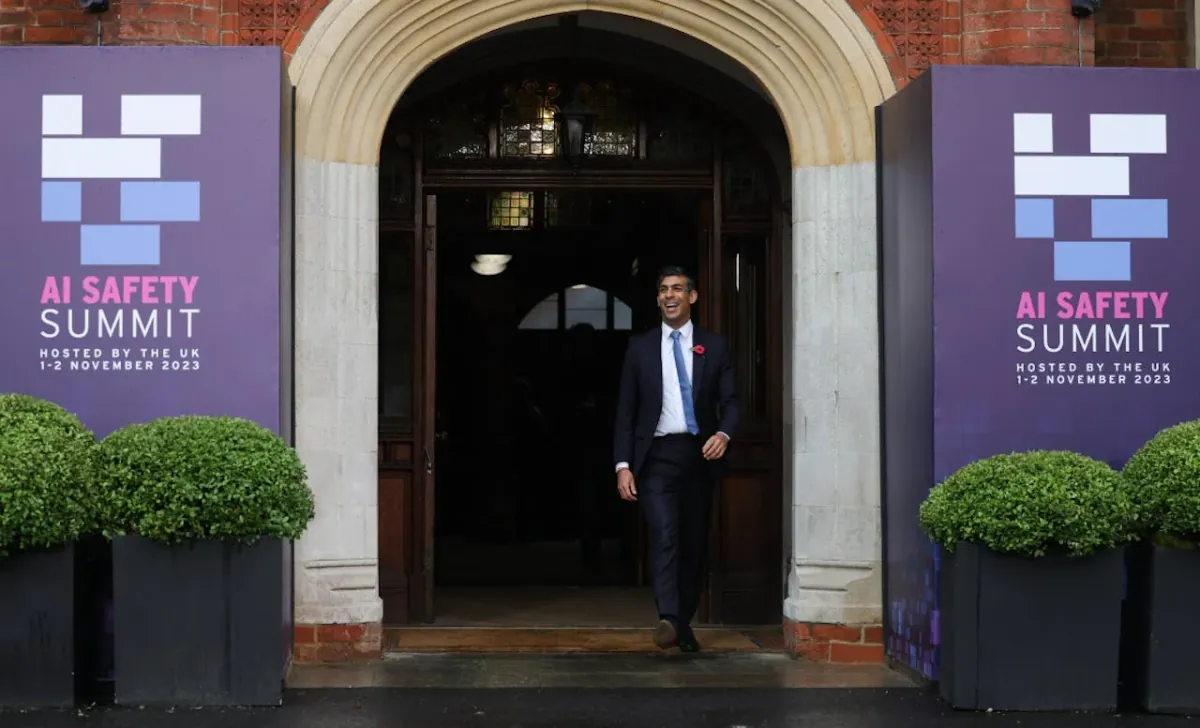
My response to the Bletchley Declaration: why marketers should address immediate concerns around bias, privacy and transparency, and ask tougher questions of AI providers.
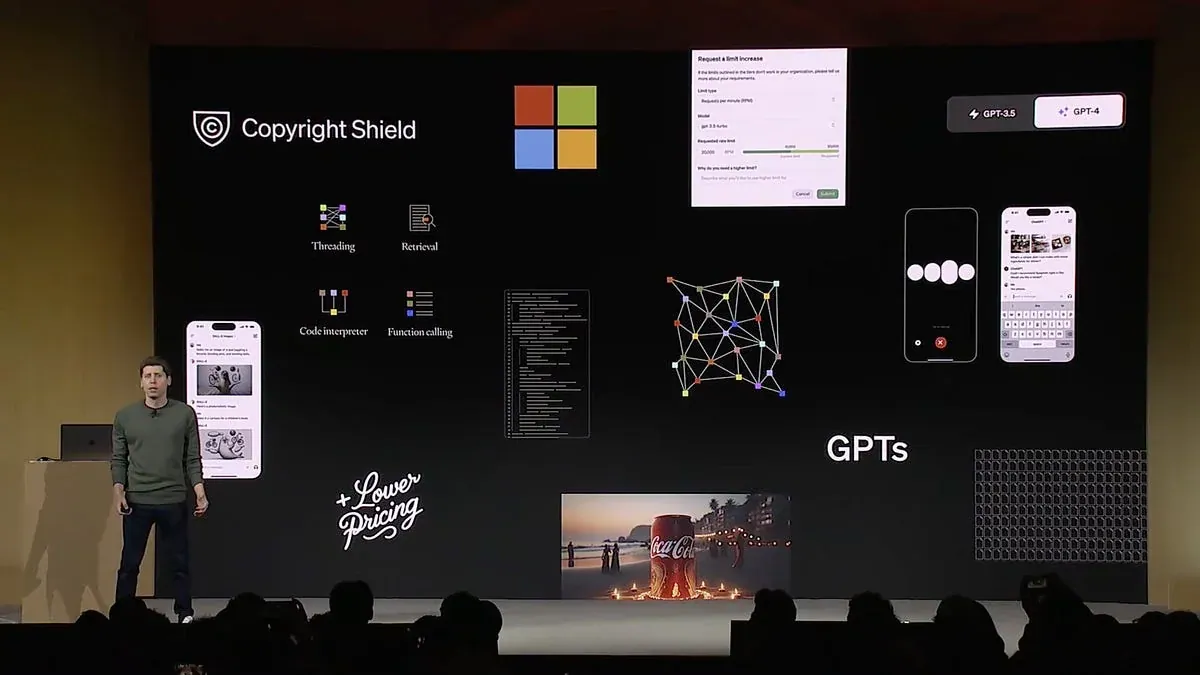
My first reactions to OpenAI’s 2023 developer conference, focusing on how custom GPTs and the Assistants API could make useful AI tools easier to build.
Why AI’s awkward interfaces, inconsistent outputs and ethical challenges could fuel disillusionment, even as its capabilities open up new possibilities for knowledge work.
An early exploration of AI’s evolution from individual features towards personal platforms, and the memory, integrations and user control those products would need.

A proposal for separating model training from generated outputs, giving publishers more control over their content while exploring a middle ground for AI and creative rights.